
Latest News

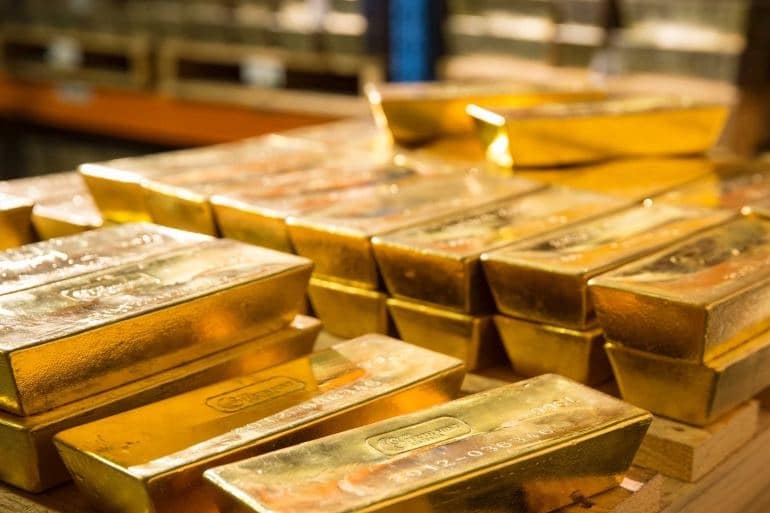
People often say the best form of recycling is re-use. The organisers of the Tokyo 2020 Olympic Games took that idea seriously. They planned to use reclaimed bronze, silver and gold from recycled electronic waste, including mobile phones, to make the medals for the Olympic and Paralympic Games.
Organisers launched the project in 2017. Their goal was to collect 30.3kg of gold, 4,100kg of silver and 2,700kg of bronze. According to the organisers, the project was on track to reach those targets by March 2019.
Japanese businesses and members of the public supplied the recycled metal. Together, they contributed around 48,000 tonnes of discarded devices, including more than five million used mobile phones.
As a result, every bronze, silver and gold medal at the Tokyo 2020 Olympic Games was set to come from recycled mobile phones and other electronic waste.
All modern mobile devices contain gold, although only in small quantities. In an average smartphone, the gold would be worth roughly £1. However, when large numbers of phones are collected together, the precious metals become much more useful. Around 41 handsets can yield 1g of gold.
Tokyo 2020 organisers said in a statement that the devices already donated could provide the remaining amounts of metal needed to manufacture all Olympic and Paralympic medals.
That marked a notable achievement. By comparison, only about 30% of the silver and bronze used in the medals for the 2016 Rio Games came from recycled materials.
Copyright © 2024 · All Rights Reserved · MobiCode