
Latest News

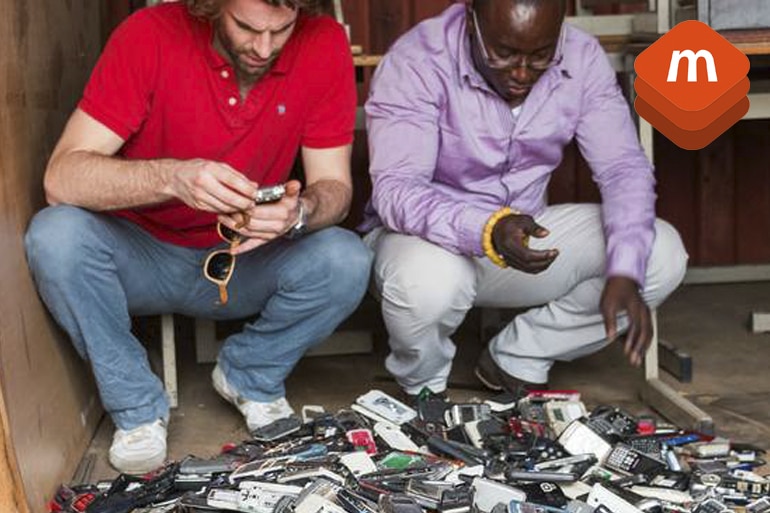
Mobile phone recycling matters more than ever. In the world today, the number of mobile phones in use exceeds 8 billion. That is around 1 billion more phones than there are people. Yet only around 25% of those phones are recycled each year.
At the same time, manufacturers continue to ship huge numbers of new devices. Samsung shipped 71.9 million smartphone units in the first quarter of the year alone. Meanwhile, phone recycling in African countries is struggling to top 1%. That gap is a real cause for concern. Electronic waste is growing, and manufacturing and logistics continue to add environmental pressure.
These figures show the scale of the problem. More devices are entering the market, but too few are being recovered at the end of their working life. As a result, valuable materials are lost and environmental damage increases.
In response, T-Mobile and Samsung launched a joint recycling initiative. Under the scheme, every purchase of a new Samsung Galaxy S10 E model would be “offset” by recycling one discarded phone from Ghana, Cameroon, Uganda or Nigeria.
The project ran in 124 T-Mobile stores across the Netherlands and was described as a “one for one” concept. The first shipment of 25,000 used phones from Cameroon had already arrived in the Netherlands. E-scrap recyclers in the area were due to process them.
The project did more than remove old devices from circulation. It also helped recover valuable metals and materials used in mobile phone manufacturing. Those resources could then be used elsewhere instead of being lost as waste.
Samsung and T-Mobile’s collaboration marked a positive step towards a more circular and self-sustaining mobile industry. As Gerben van Walt Meijer, marketing manager of Samsung Netherlands, said: “This means we directly contribute to the circular economy by reducing e-waste in developing countries.” He added: “As the market leader in mobile telecom, it is important that we take our responsibility.”
This initiative matters because it links new device sales with a practical recycling response. It does not focus only on selling more phones. It also recognises the growing need to deal with the environmental cost of devices already in circulation.
As awareness of environmental issues grows, more businesses are likely to strengthen their sustainability efforts. The mobile phone industry is already showing signs of that shift. Interest in second-hand devices is growing, refurbishment is becoming more common, and longer device life cycles are gaining wider support.
MobiCode has supported the second-hand mobile phone industry since 2011 and continues to develop tools for mobile phone recyclers and retailers. If you would like to learn more, get in touch with MobiCode today.
Copyright © 2024 · All Rights Reserved · MobiCode