

OPPO X 2021: A Rollable Phone Concept That Still Feels Futuristic
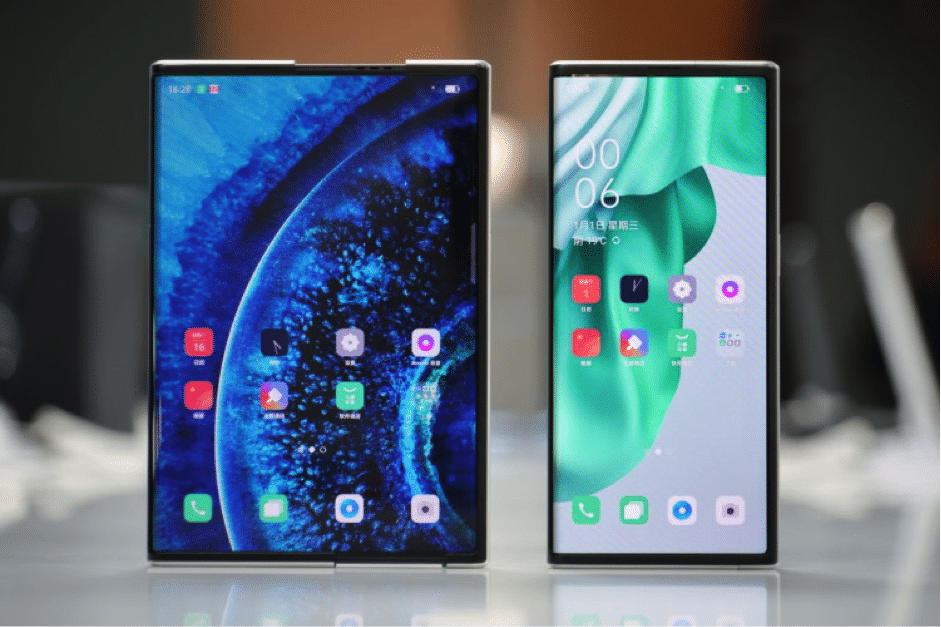
The OPPO X 2021 was one of the most eye-catching concept phones of its time. OPPO unveiled it at INNO Day 2020 as a rollable handset built around a continuously variable OLED display. Instead of folding open like a book, the screen extends smoothly, giving users more space when they need it. :contentReference[oaicite:1]{index=1}
That single idea made the device stand out straight away. It looked like a normal smartphone when closed. However, with a swipe, it expanded into something closer to a small tablet. As a concept, it showed a different path for large-screen devices, without the crease normally associated with foldables. :contentReference[oaicite:2]{index=2}
How the OPPO X 2021 display works
The headline feature was the display itself. OPPO said the screen could expand from 6.7 inches to 7.4 inches. It was also described as “continuously variable”, which meant the screen was not limited to only two fixed sizes. Users could adjust it more flexibly depending on how much screen space they wanted. :contentReference[oaicite:3]{index=3}
That made the concept especially interesting from a usability point of view. A smaller display works better for one-handed use. A larger display, by contrast, gives more room for video, reading and multitasking. In demos, OPPO showed the interface adapting as the screen expanded. :contentReference[oaicite:4]{index=4}
Why the idea mattered
At the time, foldable phones were getting attention, but they also came with compromises. Thickness, hinge complexity and visible screen creases all raised questions. The OPPO X 2021 suggested another route. Instead of folding the display, it rolled part of the panel inside the body and expanded outward when needed. :contentReference[oaicite:5]{index=5}
That made the concept appealing because it promised a larger screen without the same fold line across the middle. In theory, that could create a cleaner viewing experience. Of course, concept devices do not prove long-term durability on their own. Even so, the design showed how manufacturers were thinking beyond the standard slab phone format. :contentReference[oaicite:6]{index=6}
What happened next
It is important to keep the OPPO X 2021 in context. This was a concept device, not a mainstream retail launch. OPPO presented it as a showcase of future hardware thinking rather than a phone that consumers could widely buy at the time. :contentReference[oaicite:7]{index=7}
That matters when discussing resale, repairs or unlocking. Since the handset did not become a normal mass-market device, it should not be treated in the same way as a standard commercial phone model.
Where MobiCode fits in
For businesses handling modern smartphones, the commercial lesson is less about this exact concept handset and more about process. As devices become more complex, trade and refurb teams need stronger checks, clearer records and better control over each stage of handling.
That is where MobiCode is relevant. Rather than focusing on hype alone, the practical value comes from managing devices properly through the workflow:
- Device checks before action: confirm key status information first.
See: MobiCode CHECK - Testing and diagnostics: support a more consistent assessment process.
See: MobiCode TEST - Secure erasure and record-keeping: keep device handling tied to clearer evidence.
See: MobiWIPE - Connected workflow management: keep key processing stages linked to one device journey.
See: MobiONE
If advanced device designs become more common in future, that kind of structured workflow will matter even more. New hardware usually increases the need for consistent process, not less.
The bigger takeaway
The OPPO X 2021 was exciting because it made smartphone design feel open again. It showed that manufacturers were still exploring new ways to balance portability and screen size. Even though it remained a concept, it gave a clear glimpse of what a rollable device could look like in practice. :contentReference[oaicite:8]{index=8}
For the device industry, that is the real takeaway. Hardware will continue to change. As it does, strong processing workflows, accurate device records and consistent operational standards become even more important.