
Latest News

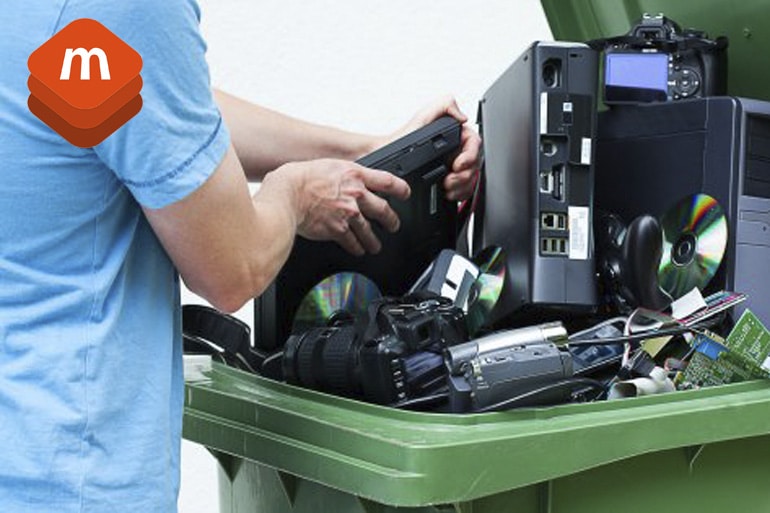
What is circular industry? More businesses are asking that question as consumer attitudes continue to shift. Across much of the West, people are thinking more carefully about what they buy, how long they keep it and what happens to it afterwards. As a result, businesses are paying more attention to models that reduce waste and make better use of existing resources.
A circular industry, or circular economy, offers an alternative to the traditional linear model of make, use and dispose. In a circular system, businesses keep resources in use for as long as possible. They extract maximum value from them and then recover or regenerate products at the end of their service life so they can be used again.
The idea behind circular industry is simple. Instead of treating products as disposable, businesses try to extend their useful life. That approach can create new opportunities for growth, reduce waste, improve resource productivity and lower the environmental impact of production and consumption.
At MobiCode, we support the circular economy by developing software tools that help businesses refurbish second-hand mobile phones and other used electronics.
The rise in electronic waste, or e-waste, is one of the most pressing environmental issues facing the electronics sector. Research shows that around 90% of electrical products sold in the UK are brand new, even though more than half of UK households own at least one unused product.
That means around 2 million tonnes of new electronic equipment enter the UK market each year. It also means more than 1.5 million tonnes of electronic waste are generated annually. For that reason, the case for circular industry is especially strong in consumer electronics.
If businesses can extend product life through reuse, repair and refurbishment, they can reduce waste and make better use of products that already exist. That is why circular industry matters so much in sectors where products are replaced frequently.
Circular industry is especially relevant to used electronics. Phones, tablets and other devices often still hold value long after their first owner stops using them. When businesses refurbish those products properly, they keep them in circulation for longer and reduce the need to manufacture replacements too quickly.
However, several barriers still stand in the way of wider reuse. These include the desire to buy new products, concerns around data privacy and doubts about the quality of second-hand devices.
Even so, the commercial opportunity is clear. Research shows that up to 50% of customers say they would buy a used product if it is good quality and professionally refurbished.
Businesses play an important role in making circular industry work. They can promote reuse through take-back schemes, trade-in models and refurbishment services that make second-hand products more accessible and more trustworthy.
Models such as the Argos Gadget Trade In scheme and the CeX retail model show how this can work in practice. Research also shows that 83% of UK households would be interested in these types of business models.
At MobiCode, we promote environmental awareness and reuse by developing software that supports the refurbishment of mobile phone devices. For example, MobiWIPE supports secure GDPR-compliant data erasure, while MobiTEST supports efficient functionality testing.
Our solutions are designed for businesses working in the second-hand mobile phone industry. If you are a recycler or retailer interested in mobile phone refurbishment, or if your business wants to get more value from used electronics stock, speak to MobiCode today.
Copyright © 2024 · All Rights Reserved · MobiCode