
Latest News

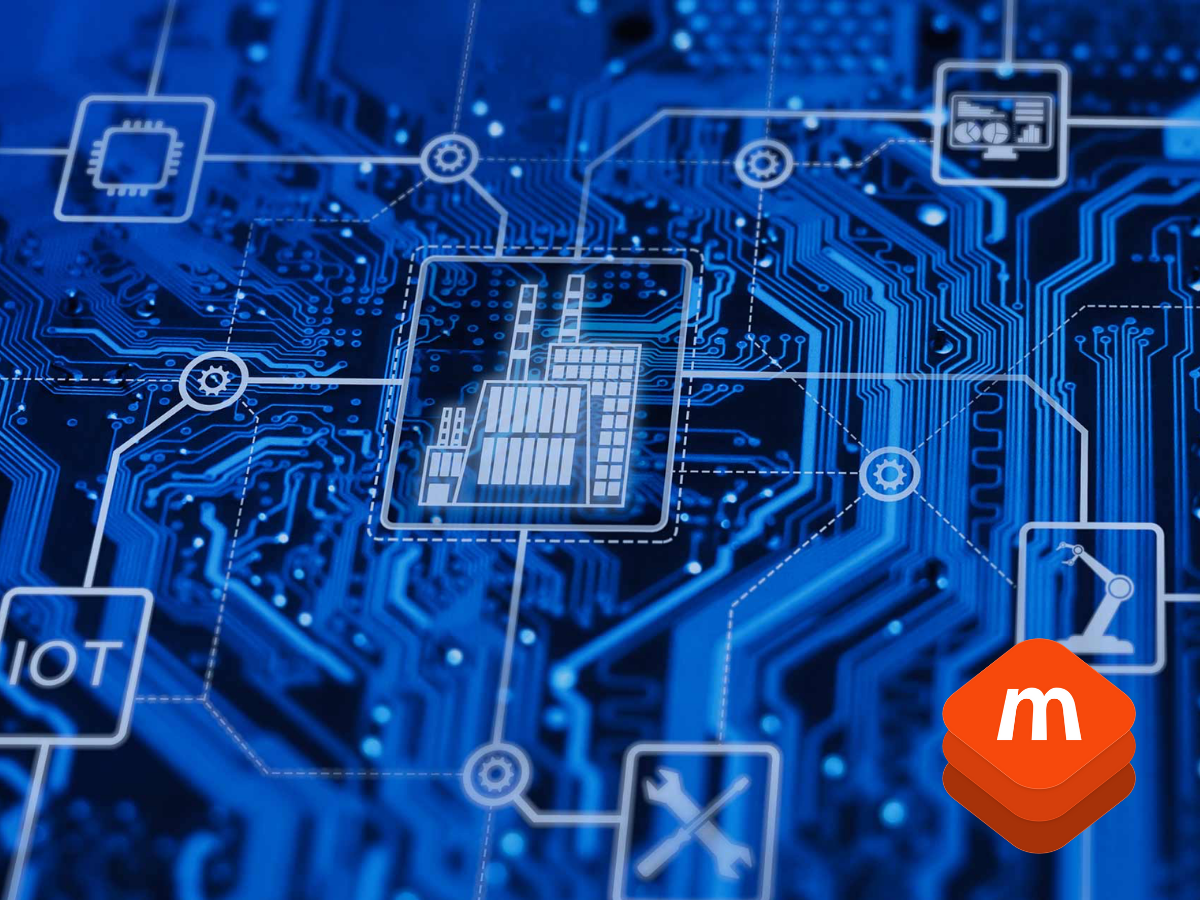
Internet of Things explained: the Internet of Things (IoT) refers to everyday devices that connect to the internet (or private networks) to collect and share data. These devices often include sensors, software, and connectivity. As a result, they can monitor conditions, send alerts, or automate tasks.
IoT includes consumer “smart” products such as thermostats and wearables. It also includes business and industrial equipment, such as trackers, meters, and factory sensors. If you want a formal definition, the NIST glossary entry for Internet of Things is a helpful reference.
IoT matters because it turns real-world activity into usable data. In practice, that can improve speed, visibility, and decision-making. It can also reduce manual work.
IoT appears in many places. For example, smart meters track energy usage. Wearables track activity and health signals. In business, asset trackers monitor location and movement. In retail, sensors support stock visibility and footfall insights.
Most IoT systems follow the same basic flow. First, a device collects data. Then, it sends that data over a network. Finally, a platform stores and analyses it so people or systems can act on it.
Because IoT devices collect data, security matters. So, businesses should treat IoT as part of their security posture, not a separate add-on. Good practice usually includes strong access control, encryption where appropriate, and monitoring for unusual behaviour.
IoT also links to device lifecycle processes. For example, when devices are reused, resold, or recycled, you need clear data handling. That’s why secure processes such as diagnostics and certified data erasure matter in the wider ecosystem. If you handle devices at scale, MobiCode tools such as MobiONE (testing/diagnostics) and data erasure support safer workflows.
IoT connects physical devices to digital systems. As a result, it can improve efficiency, insight, and automation across homes and businesses. At the same time, it brings security and data-handling responsibilities. Ultimately, the best outcomes come from combining connected technology with strong governance and safe device processes.
Copyright © 2024 · All Rights Reserved · MobiCode